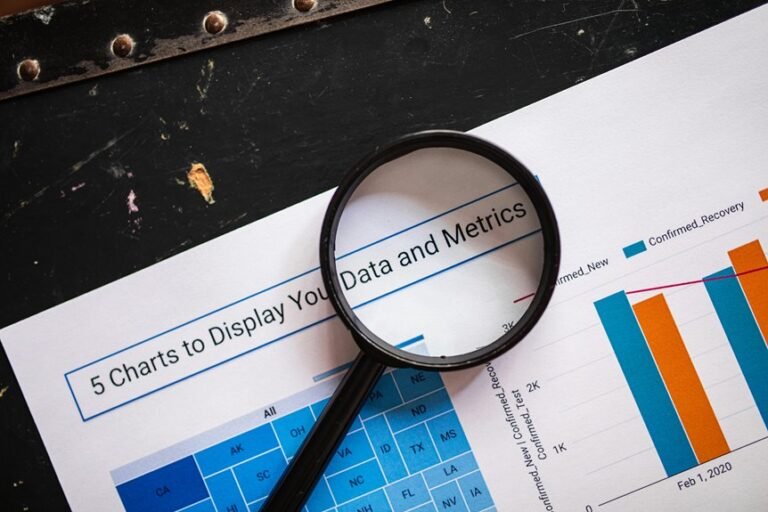
Business Performance Tracker: 662988224, 667232646, 4432564593, 1171060060, 679754622, 7703711060
The Business Performance Tracker, identified by several reference numbers, is essential for enhancing organizational efficiency. It systematically monitors crucial performance indicators, revealing inefficiencies and potential growth areas. By aligning tracking efforts with strategic objectives, it promotes a culture of informed decision-making. However, understanding how to implement and analyze the data collected remains critical. This discussion will explore these aspects further, highlighting their impact on strategic choices and market responsiveness.
Understanding the Importance of Business Performance Tracking
Although many businesses operate without a robust performance tracking system, understanding its importance is crucial for sustainable growth and competitive advantage.
Effective benefit analysis reveals how tracking tools can illuminate operational inefficiencies and identify opportunities for improvement.
Key Metrics to Monitor for Optimal Performance
To achieve optimal performance, businesses must identify and monitor key metrics that align with their strategic goals.
Key performance indicators (KPIs) play a crucial role in evaluating success, while performance measurement strategies ensure that organizations remain agile and responsive.
Implementing the Business Performance Tracker
How can businesses effectively implement a Business Performance Tracker to enhance decision-making?
Successful tracker integration requires aligning the tool with existing workflows and data sources. Organizations should prioritize performance optimization by selecting relevant metrics and ensuring user accessibility.
Training staff on the tracker’s functionalities further supports its adoption, fostering a culture of data-driven decision-making that empowers teams to respond swiftly to evolving business needs.
Analyzing Data for Strategic Decision Making
While businesses increasingly rely on data analytics, effectively analyzing this information is crucial for making informed strategic decisions.
Utilizing data visualization techniques enhances comprehension, allowing stakeholders to identify trends and patterns.
Furthermore, integrating robust decision frameworks enables organizations to evaluate options systematically, fostering a culture of data-driven decision-making.
This approach empowers leaders to navigate complexities and seize opportunities for growth and innovation.
Conclusion
In the intricate landscape of modern business, the Business Performance Tracker serves as a lighthouse, illuminating the path toward operational excellence. By harnessing key metrics and fostering a culture of data-driven decision-making, organizations can deftly navigate market fluctuations. As teams gather under this beacon of insight, they uncover hidden inefficiencies and seize growth opportunities, transforming challenges into stepping stones for success. Ultimately, the tracker is not just a tool, but a vital compass guiding businesses toward strategic achievement.